
-
 Michael Symonds/WMUKSupporters say legislation on its way to Whitmer's desk is good news for those with eating disordersA Richland dietician says new licensing requirements will help ensure patients get care.
 -
 Leona Larson/WMUKFederal Highway Administration officials were in Kalamazoo Thursday to announce millions in federal grants for 80 projects in 37 states. Three of those projects are in Michigan.


-
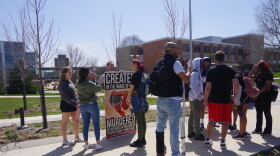 Donald Trump’s abortion policy disappointed some anti-abortion advocates, including some who were in Kalamazoo on April 8.
 -
 Kalamazoo’s transit authority removed the bus stop shelter after the mall filed a notice of intention to evict against the agency.
 -
 Paw Paw Public Schools is working to update its sex education curriculum for the first time since about 2007.
 -
 The Gun Lake Tribe has won two grants aimed at fighting climate change and building resiliency.
 -

-
 The city will pay for a new liquid waste pipeline between Graphic Packaging International and the sewer plant, which happens to be next door.
 -
 The Michigan Supreme Court will hear arguments this month about whether a civil case involving 25-year-old clergy sex abuse allegations should go to trial.The case rests upon whether a 2018 state law expanding the civil statute of limitations for criminal sexual conduct applies retroactively.
 -
 Governor Gretchen Whitmer signed bills Monday to lift Michigan’s 35-year-old ban on the use of paid pregnancy surrogates.Michigan was one of the first states to outlaw paid surrogacy contracts in 1988. Now, Whitmer said, Michigan will be the final state in the nation to allow families to use in vitro fertilization with compensated surrogates without fear of criminal prosecution.
 -
 The Food & Drug Administration added stronger warnings to certain chemotherapy drugs in March. Some people said the agency needs to go further.
 -
 Former President Donald Trump is scheduled to be in Grand Rapids Tuesday.


